Category: Uncategorized

  • Off-Season Body Sculpting: Why August Is a Great Time for Cryo Slim & RF Body Treatment

    Off-Season Body Sculpting: Why August Is a Great Time for Cryo Slim & RF Body Treatment

    Skip to article

    FTV Clinic Journal · Body Contouring

    A practical seasonal guide

    Body Sculpting in August: Cryolipolysis & RF in Bangkok

    August can be a convenient time to plan non-invasive body contouring in Bangkok—but the month itself does not make a treatment more effective. The useful question is whether cryolipolysis, radiofrequency or another pathway suits your body, health history and expectations.

    Updated July 20268-minute readMedical suitability required
    Cryolipolysis body contouring consultation at FTV Clinic Bangkok
    01Choose by concern, not by trendConsultation-led care

    The short answer

    August may fit your schedule. Suitability still decides the treatment.

    Bangkok’s rainy season can make indoor appointments easier to build into a quieter routine, and starting in August leaves time for gradual changes and follow-up before the final months of the year. Those are practical advantages—not biological ones. Rain, humidity and a particular calendar month do not guarantee faster recovery or better results.

    Non-invasive body contouring is intended for selected cosmetic concerns. It is not a treatment for obesity, a substitute for exercise or nutrition, or an alternative to surgery when substantial fat or loose skin is the concern. A responsible body-sculpting plan also explains when a device is unlikely to match the change you want.

    01 · Seasonal planning

    Why August can be a practical time to begin.

    01

    A quieter indoor routine

    Rainy-season schedules often include more time indoors. That can make it easier to plan an appointment, wear comfortable clothing afterward and follow the clinic’s care instructions.

    02

    Time for gradual change

    Cryolipolysis changes develop over time rather than immediately. Beginning earlier allows an appropriate response period before deciding whether any further treatment should be considered.

    03

    Space for reassessment

    A responsible plan includes review—not an automatic package. Starting in August can leave room to assess comfort, response and whether the original goal remains realistic.

    02 · Technology comparison

    Cryolipolysis and RF have different roles.

    The technologies are not interchangeable. A useful consultation begins with the tissue and concern, then reviews whether the available device and applicator are suitable.
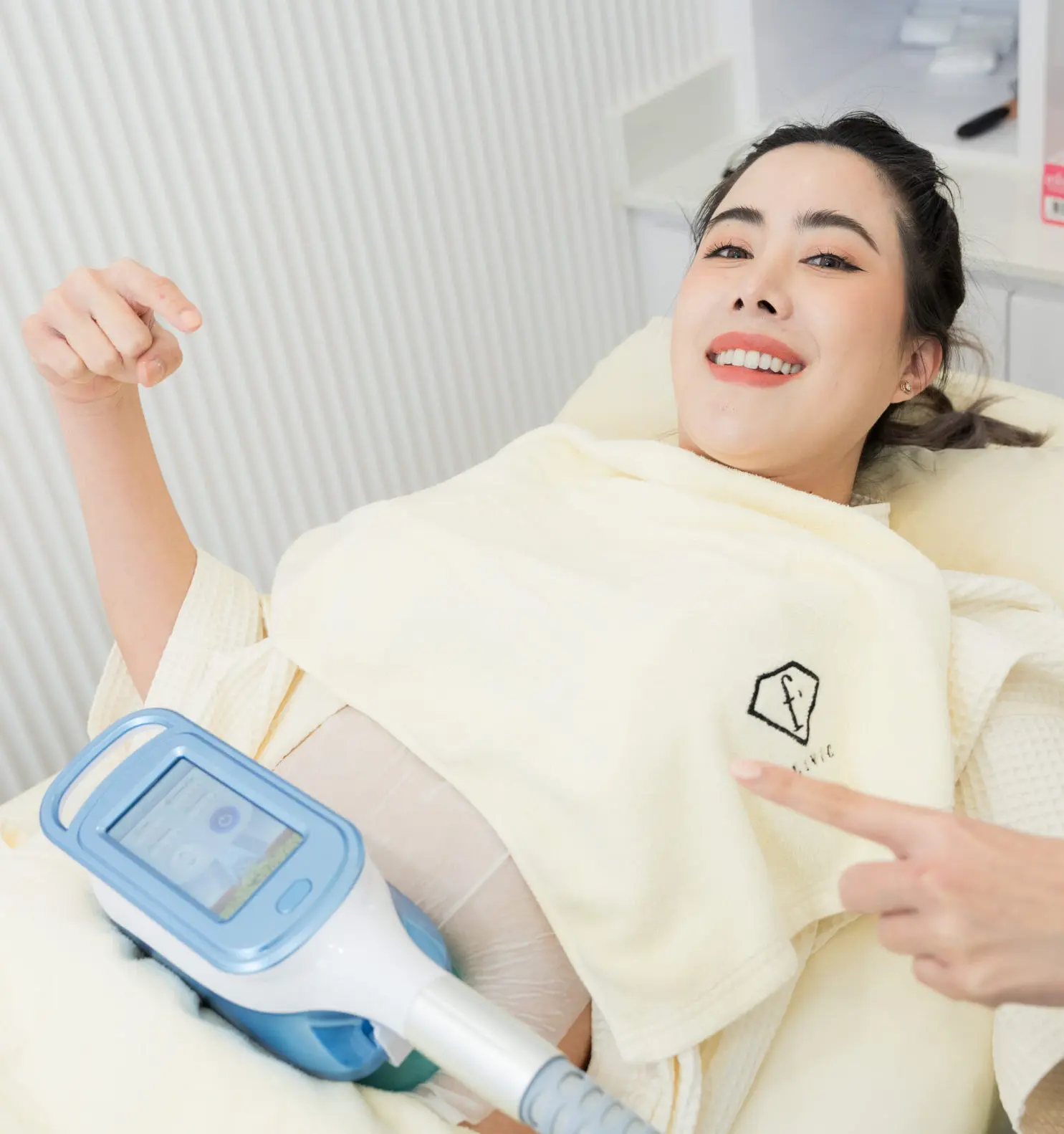
    Cryolipolysis applicator for a selected area of localised fat

    Controlled cooling

    Cryolipolysis

    Cryolipolysis—often called fat freezing—uses controlled cooling intended to reduce a suitable small, visible fat bulge without an incision. It is for localised contouring, not meaningful overall weight loss.

    May be discussed for
    A pinchable area with an applicator that fits safely
    Typical sensations
    Cold, pulling, pressure or aching; temporary numbness can occur
    Timing
    Changes are gradual and vary by person and treated area

    Possible effects include redness, swelling, bruising, discomfort, numbness, burns, nodules and rare paradoxical adipose hyperplasia, where the treated area enlarges and may require surgery.

    Radiofrequency body treatment applied to the abdomen

    Controlled heating

    Radiofrequency Body Treatment

    Surface-applied radiofrequency uses controlled heat. Depending on the specific device and intended use, it may temporarily improve the appearance of firmness or cellulite, or reduce circumference in a selected area.

    May be discussed for
    Skin firmness, texture or a selected contour concern
    Typical sensations
    Progressive warmth; discomfort varies by area and settings
    Timing
    A course may be discussed, but reassessment should guide it

    Possible effects include redness, swelling, discomfort, burns, blisters, skin-colour change or nodules. Pacemakers, active implants, metal in the area and some tattoos require specific review.

    If the concern is mainly…A small localised fat bulge

    Cryolipolysis may be assessed.

    If the concern is mainly…Skin firmness or texture

    Radiofrequency may be assessed.

    If the goal is…Overall weight loss

    Ask for a separate medical pathway.

    03 · Your appointment

    What to expect before, during and after.

    1. 01

      Before treatment

      Share relevant health history, pregnancy or breastfeeding status, medicines, implants, metal, hernia, cold sensitivity, skin problems, tattoos and previous surgery in the area. Follow the clinic’s device-specific preparation advice rather than generic online instructions.

    2. 02

      During treatment

      Cryolipolysis commonly involves cold, suction and pressure. RF usually feels progressively warm as the handpiece moves across the treatment area. Tell the practitioner immediately if pain, heat or discomfort feels excessive.

    3. 03

      After treatment

      Temporary tenderness, redness, bruising, swelling, altered sensation or soreness may occur depending on the technology. Follow the instructions given for your specific treatment and contact the clinic if symptoms are severe, worsening or unexpected.

    04 · Safety first

    “Non-invasive” does not mean risk-free.

    Body-contouring devices act through controlled cooling, heating or another form of energy. Treatment should follow an individual suitability assessment, use of the correct applicator and device parameters, and clear instructions about expected effects and warning signs.

    Results vary and cannot be guaranteed. Some people may see modest change, need more than one session, experience no visible improvement or be advised that treatment is unsuitable.

    FTV Clinic reception at Mercury Ville Chidlom in Bangkok

    FTV Clinic · Bangkok

    Begin with the concern. Then choose the technology.

    FTV Clinic provides consultation-led body care in a private setting at Mercury Ville Chidlom, directly connected to BTS Chidlom. English-speaking support is available for international visitors.

    Bring a clear description of the area, the change you hope to see and any previous procedures. The appropriate outcome of a consultation may be cryolipolysis, RF, another approach—or no device treatment.

    Explore the complete body-sculpting guide

    Frequently asked

    Body-sculpting questions.

    Is August medically better for body sculpting?

    No particular month guarantees a better result. August may simply be convenient for scheduling, indoor routines and allowing time for gradual change and follow-up.

    Is cryolipolysis a weight-loss treatment?

    No. Cryolipolysis is intended for selected localised fat bulges. It does not produce meaningful overall weight loss or the health benefits associated with weight reduction.

    Which is better: cryolipolysis or RF?

    Neither is universally better. Cryolipolysis and RF address different concerns. The suitable option depends on the tissue, area, medical history, device and realistic goal.

    Will I need more than one session?

    Possibly, but there is no universal schedule. The device, area, response and clinical assessment should guide whether another session is appropriate.

    Is there no downtime?

    Many people return to usual activities quickly, but no-downtime claims are too absolute. Temporary soreness, redness, swelling, bruising, tenderness or altered sensation may occur.

    Where is FTV Clinic?

    FTV Clinic is on the 4th floor of Mercury Ville Chidlom, Room 406, connected to BTS Chidlom Exit 4. Open Google Maps.


  • How to Protect Your Skin and Lungs from Bangkok’s Pollution

    How to Protect Your Skin and Lungs from Bangkok’s Pollution

    Skip to the guide

    FTV Clinic Health Guide · Bangkok

    A calm, practical plan for high-pollution days

    How to Protect Your Skin & Lungs from Bangkok’s Air Pollution

    PM2.5 is small enough to travel deep into the lungs. The most useful response is not a “detox”: check local air quality, reduce exposure, use a well-fitting respirator when needed, improve indoor filtration, and care for an irritated skin barrier.

    • 6 minreading time
    • Evidence-ledpublic-health sources
    • Clinician reviewrecommended before publishing
    Evening traffic and city buildings in central Bangkok
    Bangkok field noteLet the air-quality reading—not the skyline—guide your day.

    The first four moves

    What to do today

    Start with exposure reduction. These actions matter more than supplements, beauty treatments, or “detox” claims.

    1. 01

      Check the local reading

      Look at the current PM2.5 or air-quality category before planning exercise, sightseeing, or long journeys outdoors.

      Bangkok PM2.5 information ↗
    2. 02

      Reduce the dose

      When particle pollution is high, shorten outdoor time, choose lighter activity, and move exercise indoors where the air is cleaner.

    3. 03

      Wear the right protection

      If you must be outside, a well-fitting particulate respirator such as an N95 offers more reliable particle protection than a loose cloth or surgical mask.

    4. 04

      Create cleaner indoor air

      Close windows during poor outdoor air, reduce indoor smoke and burning, and use a correctly sized HEPA air cleaner where available.

    PM2.5, simply explained

    2.5µm or less

    Fine particulate matter is a mixture of very small solid and liquid particles suspended in air. Particle pollution can irritate the eyes, nose, throat, and lungs, and can worsen existing heart or respiratory conditions.

    Why it deserves attention

    Invisible does not mean harmless.

    Bangkok’s air quality changes by location, weather, season, traffic, and other sources. People with asthma, chronic lung or heart disease, older adults, children, and pregnant people may need to be especially careful and follow advice from their clinician.

    Skin can also feel dry, sensitive, or irritated during city exposure, but symptoms are not specific to pollution. Heat, humidity, sun, sweat, friction, and products may contribute too.

    Breathing protection

    Protect your lungs by lowering exposure.

    There is no single product that makes polluted air harmless. Layer practical controls according to the day’s conditions and your health.

    01

    Plan around the air

    Use a local forecast, reduce strenuous activity when pollution is elevated, and change route or timing when a cleaner option is available.

    02

    Fit matters

    Choose a certified particulate respirator and follow its instructions. Facial hair, gaps, or a loose nose bridge can reduce protection.

    03

    Keep one room cleaner

    Use an appropriately sized portable HEPA cleaner, keep doors and windows closed during poor outdoor air, and replace filters as directed.

    04

    Do not add indoor particles

    Avoid smoking, vaping, candles, incense, and other burning indoors. Cooking and some cleaning activities can also raise indoor particle levels.

    Respirators can make breathing feel harder for some people. If you have a heart or lung condition, ask your clinician which option is suitable for you.

    Skin-barrier routine

    Simple, gentle, consistent.

    Do not attack already-irritated skin with aggressive scrubs, strong acids, or multiple new products at once.

    AM

    Before you go out

    • Use a gentle moisturizer suited to your skin.
    • Apply broad-spectrum sunscreen and reapply as directed.
    • Limit heavy fragrance if your skin is reactive.
    DAY

    While you are outside

    • Avoid touching or rubbing your face unnecessarily.
    • Seek shade and reduce heat and sun exposure.
    • Change a damp or soiled mask as appropriate.
    PM

    When you come home

    • Cleanse gently to remove sunscreen, sweat, and debris.
    • Pat dry; do not scrub an inflamed skin barrier.
    • Moisturize and pause irritating actives if needed.

    Persistent skin concerns?

    Choose assessment before assumptions.

    Redness, acne, itch, or rash can have many causes. A qualified clinician can help identify appropriate care rather than attributing every symptom to pollution.

    Explore facial care

    Know when to act

    Listen to your symptoms.

    Do not use an IV drip or wellness treatment to delay appropriate medical care.

    Pause and monitor

    Mild eye, nose, or throat irritation may improve after reducing exposure and moving to cleaner air.

    If symptoms settleContinue to limit exposure and follow public-health advice.

    Contact a clinician

    Seek medical advice for persistent cough, wheeze, shortness of breath, worsening asthma, or a continuing skin reaction.

    Extra cautionFollow your personal care plan if you have an existing heart or lung condition.

    Seek urgent care

    Severe difficulty breathing, chest pain, confusion, fainting, or blue lips or face require urgent medical assessment.

    In ThailandCall emergency medical services at 1669.

    A better wellness promise

    Support wellbeing without overstating treatment.

    IV therapy may be medically appropriate for a specific indication after clinical assessment, but it should not be described as removing PM2.5, protecting lung function, preventing pollution illness, or replacing evidence-based exposure reduction.

    If you are considering an IV treatment, tell the clinician about your symptoms, medical conditions, medications, allergies, pregnancy status, and the reason you are seeking care.

    Read about IV drip consultations

    Quick answers

    Bangkok pollution FAQ

    Practical answers for residents and visitors.

    What is PM2.5?

    PM2.5 is fine particulate matter with an aerodynamic diameter of 2.5 micrometres or less. These particles can be inhaled deep into the lungs.

    Is a surgical mask enough for PM2.5?

    A loose surgical or cloth mask is not designed to seal to the face like a particulate respirator. For particle pollution, use a certified, well-fitting respirator such as an N95 when recommended and suitable for you.

    Should I exercise outdoors when the air is poor?

    Reduce the duration and intensity of outdoor activity when particle pollution is elevated. Moving the activity indoors to cleaner air reduces the amount you breathe in.

    Does a HEPA air purifier solve the problem?

    A correctly sized HEPA air cleaner can reduce indoor particles, but no air cleaner removes every pollutant. Source control, cleaner-air ventilation when conditions allow, and correct maintenance still matter.

    Can an IV drip detox pollution from my body?

    There is no established evidence that a wellness IV removes inhaled PM2.5 or treats pollution exposure. Medical care should be based on symptoms, examination, and an appropriate clinical indication.

    When should I see a doctor?

    Contact a clinician for persistent cough, wheeze, breathlessness, worsening asthma, or ongoing skin symptoms. Severe breathing difficulty, chest pain, fainting, confusion, or blue lips or face require urgent care.

    FTV Clinic · Central Bangkok

    Questions about your wellbeing?

    Speak with our team about an appropriate consultation. For urgent symptoms, use emergency services rather than a clinic booking channel.

    Visit usFTV Clinic

    Central Bangkok, near BTS Chidlom

    Open in Google Maps ↗
  • Is Aesthetic Treatment Just About Beauty? Here’s How It Improves Health Too

    Is Aesthetic Treatment Just About Beauty? Here’s How It Improves Health Too

    Skip to article

    FTV Journal · Aesthetic Medicine

    A considered guide to appearance, comfort and wellbeing

    Is Aesthetic Treatment Just About Beauty?

    Aesthetic care often begins with appearance, but the reasons people seek it can be more personal. Confidence, comfort and quality of life may all enter the conversation—provided medical claims, limitations and individual suitability remain clear.

    Educational guideApprox. 7 minute readBangkok, Thailand
    Read the guide
    Physician-led facial aesthetic consultation at FTV Clinic Bangkok
    Journal 01Care begins with contextConsultation before treatment
    01Appearance

    Aesthetic medicine can address visible concerns while respecting natural features.

    02Confidence

    Some people report psychosocial benefits, although experiences and outcomes vary.

    03Comfort

    Selected medical uses exist, but indications, products and clinician qualifications matter.

    04Safety

    A consultation should clarify suitability, alternatives, risks and realistic expectations.

    Beyond the mirror

    A broader view of aesthetic care

    Aesthetic medicine is primarily concerned with appearance, yet appearance does not exist separately from how a person feels, communicates or moves through daily life.

    People may seek care because a skin concern affects confidence, facial asymmetry feels distracting, excessive sweating interferes with clothing and work, or a change after pregnancy or weight loss no longer feels like their own. These concerns are real, but they do not automatically make a procedure medically necessary—or suitable.

    The most responsible approach is to separate three ideas: the visible concern, its effect on the individual, and what a particular treatment is clinically intended to do. A qualified clinician can then discuss whether an aesthetic option is appropriate, whether another health professional should be involved, and what results are reasonable to expect.

    This distinction also protects the quality of the consultation. A person may arrive asking for a familiar procedure after seeing it online, while a closer assessment reveals that a different option—or no procedure—is more appropriate. Relevant medical history, current medicines, previous treatments and the timing of an important event can all change the recommendation. Clear care therefore begins with assessment rather than a trend, package or before-and-after image.

    Good aesthetic care does not turn every concern into a treatment. It creates space for an informed decision.
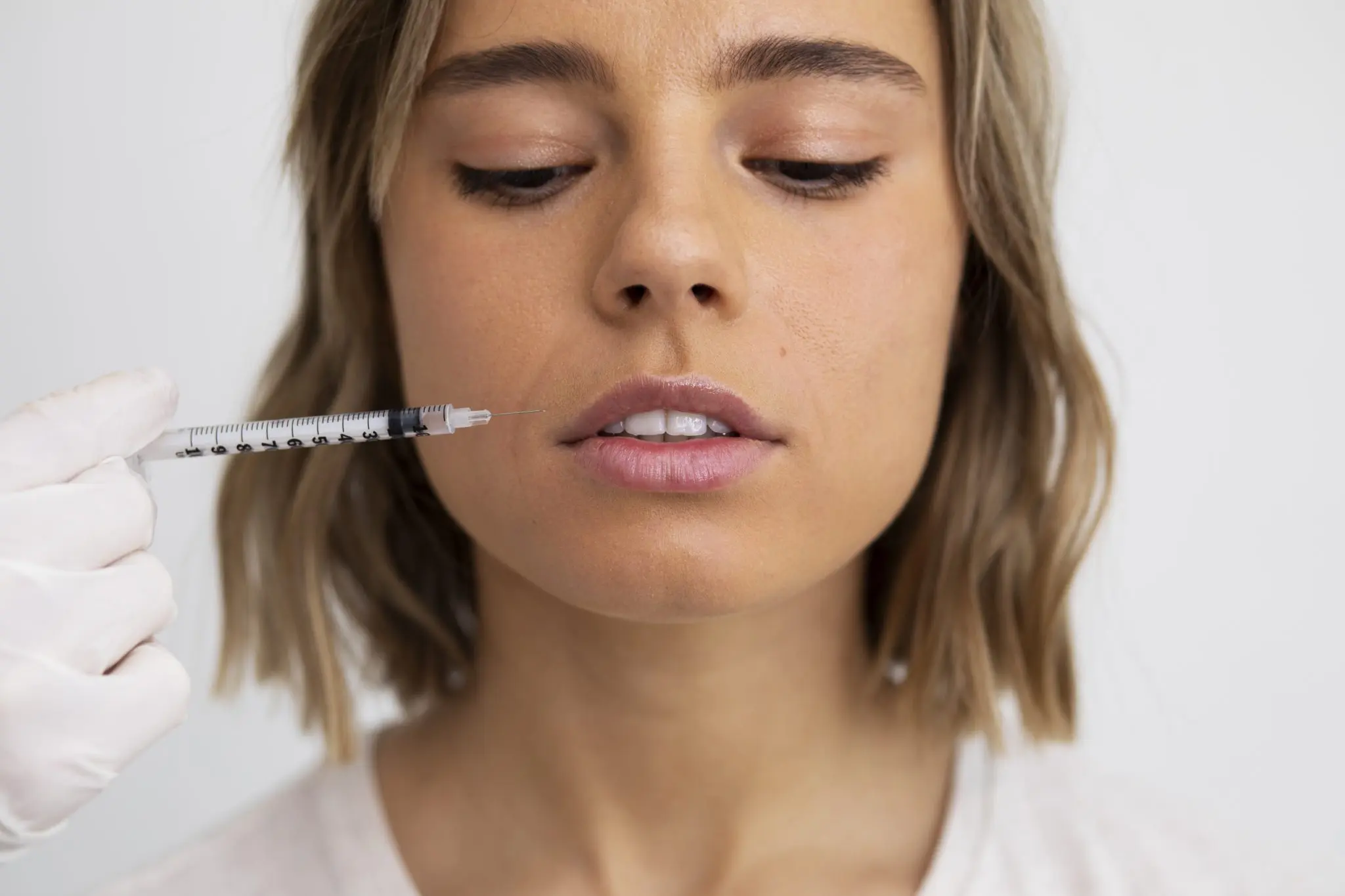
    Close-up of a clinician performing an injectable aesthetic procedure
    Individual goals. Realistic expectations.

    Confidence and wellbeing

    Looking different and feeling better are related—but not guaranteed.

    Some people feel more comfortable or confident after a well-chosen treatment. That experience may be meaningful, especially when a visible concern has been persistent. It is still important not to promise that a cosmetic procedure will improve mental health, relationships or overall happiness.

    Expectations deserve the same attention as anatomy. A consultation should explore the change a person hopes to see, why it matters now, and how they might feel if the result is subtle or requires more than one step. When expectations appear unrealistic or distress is disproportionate to the concern, postponing treatment or seeking appropriate psychological support may be the safer choice.

    A useful distinction

    A procedure may support confidence for some individuals. It is not a substitute for mental-health care and cannot guarantee a change in wellbeing.

    Clinical context

    Where appearance and other concerns may overlap

    The examples below explain why a consultation matters. They are not a diagnosis, treatment recommendation or confirmation that a particular service is appropriate for you.

    01

    Botulinum toxin

    Different botulinum toxin products have approved medical and cosmetic indications that vary by country. Clinicians may consider muscle activity, facial movement or concerns such as excessive underarm sweating. Chronic migraine and other medical conditions require diagnosis and management by an appropriately qualified clinician; a cosmetic appointment should not replace that care.

    02

    Facial balance and volume

    Dermal filler may be considered for selected contour or volume concerns. Facial asymmetry can have many causes, so sudden weakness, drooping or other neurological symptoms require urgent medical assessment—not cosmetic correction. Filler also carries uncommon but serious risks that must be discussed before treatment.

    03

    Skin quality and laxity

    Energy-based treatments may be used to support skin quality or address mild laxity for suitable individuals. Results vary with the device, treatment area, tissue characteristics and treatment plan. These procedures do not reproduce surgical results and should not be described as risk-free or permanent.

    04

    Body contouring and muscle stimulation

    Non-surgical contouring or electromagnetic muscle-stimulation devices may change the appearance of a treated area in selected candidates. They are not a replacement for rehabilitation, weight-management care or exercise, and they should not be used to diagnose or treat back pain or mobility problems.

    05

    IV nutrient therapy

    IV therapy delivers fluid or nutrients directly into the bloodstream and therefore requires medical screening and supervision. It should not be presented as a general detox, immunity cure or treatment for pollution exposure. Potential benefit depends on the clinical reason, formulation and individual health context.

    06

    Acne and visible skin concerns

    Acne, scars and pigmentation can affect comfort and confidence. A clinician can help distinguish cosmetic concerns from skin conditions that need medical treatment, then discuss options such as skin care, procedures or referral. Improvement takes time and identical outcomes cannot be promised.

    Important boundaries

    Wellbeing language should never blur medical reality.

    01

    Cosmetic care is not emergency care. Sudden facial weakness, severe headache, breathing difficulty, chest pain, infection symptoms or neurological changes need prompt medical attention.

    02

    One treatment cannot provide whole-person health. Sleep, nutrition, movement, preventive care and appropriate medical treatment remain fundamental.

    03

    Approved uses are specific. Evidence and regulatory status depend on the product, device, indication and jurisdiction—not simply the name of a procedure.

    04

    Results and risks are individual. Health history, medicines, anatomy, pregnancy status, previous procedures and expectations can all affect suitability.

    Before treatment

    Six questions for a safer, clearer decision

    Bring the concern, not a predetermined package. A good consultation should help you understand what the treatment can—and cannot—reasonably address.

    1. 01

      What is the exact concern being assessed, and could it require another medical opinion first?

    2. 02

      Who will assess and perform the treatment, and what are their relevant qualifications?

    3. 03

      Is this product or device appropriate for this indication and treatment area?

    4. 04

      What benefits are realistic for me, and how long might they take to become visible?

    5. 05

      What are the common side effects, serious risks, alternatives and reasons not to proceed?

    6. 06

      What aftercare, emergency contact and follow-up plan will be available?

    Frequently asked

    Clear answers before care

    These answers are general education. Individual advice requires a consultation and relevant health information.

    Can aesthetic treatment improve health?

    Some products and devices have specific medical uses, while many aesthetic procedures are intended primarily to change appearance. A treatment should only be described as supporting health when there is an appropriate clinical indication, evidence for that use and a qualified clinician responsible for care.

    Can botulinum toxin be used for more than wrinkles?

    Yes, botulinum toxin products have selected medical as well as cosmetic indications. The approved uses vary by product and country. Conditions such as chronic migraine require proper diagnosis and a clinician trained for that indication; cosmetic treatment is not a substitute.

    Does IV therapy detox the body or strengthen immune health?

    Those broad promises are not a responsible way to describe IV therapy. IV formulations may be considered for a specific, medically assessed reason, but they do not replace the body’s liver and kidneys, preventive care, nutrition or treatment for illness.

    Can body sculpting replace exercise or physical therapy?

    No. Non-surgical body contouring and muscle-stimulation devices may have aesthetic roles for selected individuals, but they do not replace regular movement, rehabilitation, weight-management care or medical assessment of pain and weakness.

    Do I need a medical consultation first?

    A consultation is especially important for injectables, energy-based devices and IV therapy. It allows health history, current medicines, previous procedures, pregnancy or breastfeeding, allergies, goals, suitability, alternatives and risks to be discussed.

    How should I choose an aesthetic clinic in Bangkok?

    Look for appropriately licensed clinicians, transparent product and device information, realistic communication, informed consent, hygiene standards, documented aftercare and a clear route for urgent contact. Avoid guarantees and pressure to decide immediately.

    A private consultation

    Begin with what matters to you.

    Share the concern or goal you would like to explore. The FTV Clinic team can help arrange an appropriate consultation in Bangkok; treatment is only considered after individual assessment.

    This article provides general information and is not medical advice, diagnosis or a treatment recommendation. Seek urgent medical care for sudden or severe symptoms.