FTV Journal · Aesthetic Medicine
A considered guide to appearance, comfort and wellbeing
Is Aesthetic Treatment Just About Beauty?
Aesthetic care often begins with appearance, but the reasons people seek it can be more personal. Confidence, comfort and quality of life may all enter the conversation—provided medical claims, limitations and individual suitability remain clear.
Read the guide
Aesthetic medicine can address visible concerns while respecting natural features.
Some people report psychosocial benefits, although experiences and outcomes vary.
Selected medical uses exist, but indications, products and clinician qualifications matter.
A consultation should clarify suitability, alternatives, risks and realistic expectations.
Beyond the mirror
A broader view of aesthetic care
Aesthetic medicine is primarily concerned with appearance, yet appearance does not exist separately from how a person feels, communicates or moves through daily life.
People may seek care because a skin concern affects confidence, facial asymmetry feels distracting, excessive sweating interferes with clothing and work, or a change after pregnancy or weight loss no longer feels like their own. These concerns are real, but they do not automatically make a procedure medically necessary—or suitable.
The most responsible approach is to separate three ideas: the visible concern, its effect on the individual, and what a particular treatment is clinically intended to do. A qualified clinician can then discuss whether an aesthetic option is appropriate, whether another health professional should be involved, and what results are reasonable to expect.
This distinction also protects the quality of the consultation. A person may arrive asking for a familiar procedure after seeing it online, while a closer assessment reveals that a different option—or no procedure—is more appropriate. Relevant medical history, current medicines, previous treatments and the timing of an important event can all change the recommendation. Clear care therefore begins with assessment rather than a trend, package or before-and-after image.
Good aesthetic care does not turn every concern into a treatment. It creates space for an informed decision.
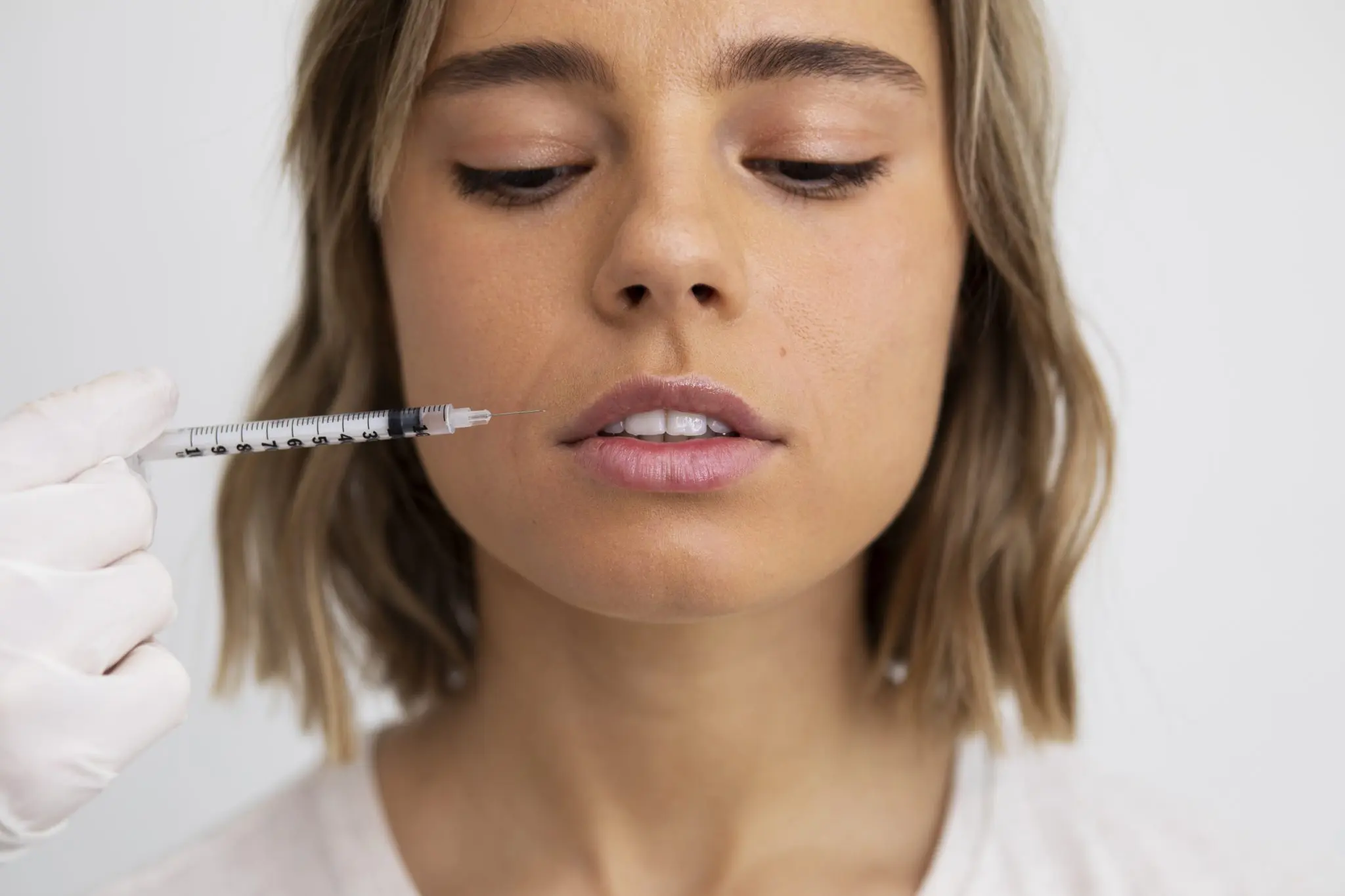
Confidence and wellbeing
Looking different and feeling better are related—but not guaranteed.
Some people feel more comfortable or confident after a well-chosen treatment. That experience may be meaningful, especially when a visible concern has been persistent. It is still important not to promise that a cosmetic procedure will improve mental health, relationships or overall happiness.
Expectations deserve the same attention as anatomy. A consultation should explore the change a person hopes to see, why it matters now, and how they might feel if the result is subtle or requires more than one step. When expectations appear unrealistic or distress is disproportionate to the concern, postponing treatment or seeking appropriate psychological support may be the safer choice.
A procedure may support confidence for some individuals. It is not a substitute for mental-health care and cannot guarantee a change in wellbeing.
Clinical context
Where appearance and other concerns may overlap
The examples below explain why a consultation matters. They are not a diagnosis, treatment recommendation or confirmation that a particular service is appropriate for you.
Botulinum toxin
Different botulinum toxin products have approved medical and cosmetic indications that vary by country. Clinicians may consider muscle activity, facial movement or concerns such as excessive underarm sweating. Chronic migraine and other medical conditions require diagnosis and management by an appropriately qualified clinician; a cosmetic appointment should not replace that care.
Facial balance and volume
Dermal filler may be considered for selected contour or volume concerns. Facial asymmetry can have many causes, so sudden weakness, drooping or other neurological symptoms require urgent medical assessment—not cosmetic correction. Filler also carries uncommon but serious risks that must be discussed before treatment.
Skin quality and laxity
Energy-based treatments may be used to support skin quality or address mild laxity for suitable individuals. Results vary with the device, treatment area, tissue characteristics and treatment plan. These procedures do not reproduce surgical results and should not be described as risk-free or permanent.
Body contouring and muscle stimulation
Non-surgical contouring or electromagnetic muscle-stimulation devices may change the appearance of a treated area in selected candidates. They are not a replacement for rehabilitation, weight-management care or exercise, and they should not be used to diagnose or treat back pain or mobility problems.
IV nutrient therapy
IV therapy delivers fluid or nutrients directly into the bloodstream and therefore requires medical screening and supervision. It should not be presented as a general detox, immunity cure or treatment for pollution exposure. Potential benefit depends on the clinical reason, formulation and individual health context.
Acne and visible skin concerns
Acne, scars and pigmentation can affect comfort and confidence. A clinician can help distinguish cosmetic concerns from skin conditions that need medical treatment, then discuss options such as skin care, procedures or referral. Improvement takes time and identical outcomes cannot be promised.
Important boundaries
Wellbeing language should never blur medical reality.
Cosmetic care is not emergency care. Sudden facial weakness, severe headache, breathing difficulty, chest pain, infection symptoms or neurological changes need prompt medical attention.
One treatment cannot provide whole-person health. Sleep, nutrition, movement, preventive care and appropriate medical treatment remain fundamental.
Approved uses are specific. Evidence and regulatory status depend on the product, device, indication and jurisdiction—not simply the name of a procedure.
Results and risks are individual. Health history, medicines, anatomy, pregnancy status, previous procedures and expectations can all affect suitability.
Before treatment
Six questions for a safer, clearer decision
Bring the concern, not a predetermined package. A good consultation should help you understand what the treatment can—and cannot—reasonably address.
- 01
What is the exact concern being assessed, and could it require another medical opinion first?
- 02
Who will assess and perform the treatment, and what are their relevant qualifications?
- 03
Is this product or device appropriate for this indication and treatment area?
- 04
What benefits are realistic for me, and how long might they take to become visible?
- 05
What are the common side effects, serious risks, alternatives and reasons not to proceed?
- 06
What aftercare, emergency contact and follow-up plan will be available?
Frequently asked
Clear answers before care
These answers are general education. Individual advice requires a consultation and relevant health information.
Can aesthetic treatment improve health?
Some products and devices have specific medical uses, while many aesthetic procedures are intended primarily to change appearance. A treatment should only be described as supporting health when there is an appropriate clinical indication, evidence for that use and a qualified clinician responsible for care.
Can botulinum toxin be used for more than wrinkles?
Yes, botulinum toxin products have selected medical as well as cosmetic indications. The approved uses vary by product and country. Conditions such as chronic migraine require proper diagnosis and a clinician trained for that indication; cosmetic treatment is not a substitute.
Does IV therapy detox the body or strengthen immune health?
Those broad promises are not a responsible way to describe IV therapy. IV formulations may be considered for a specific, medically assessed reason, but they do not replace the body’s liver and kidneys, preventive care, nutrition or treatment for illness.
Can body sculpting replace exercise or physical therapy?
No. Non-surgical body contouring and muscle-stimulation devices may have aesthetic roles for selected individuals, but they do not replace regular movement, rehabilitation, weight-management care or medical assessment of pain and weakness.
Do I need a medical consultation first?
A consultation is especially important for injectables, energy-based devices and IV therapy. It allows health history, current medicines, previous procedures, pregnancy or breastfeeding, allergies, goals, suitability, alternatives and risks to be discussed.
How should I choose an aesthetic clinic in Bangkok?
Look for appropriately licensed clinicians, transparent product and device information, realistic communication, informed consent, hygiene standards, documented aftercare and a clear route for urgent contact. Avoid guarantees and pressure to decide immediately.