Plan around the air
Use a local forecast, reduce strenuous activity when pollution is elevated, and change route or timing when a cleaner option is available.
FTV Clinic Health Guide · Bangkok
A calm, practical plan for high-pollution days
PM2.5 is small enough to travel deep into the lungs. The most useful response is not a “detox”: check local air quality, reduce exposure, use a well-fitting respirator when needed, improve indoor filtration, and care for an irritated skin barrier.
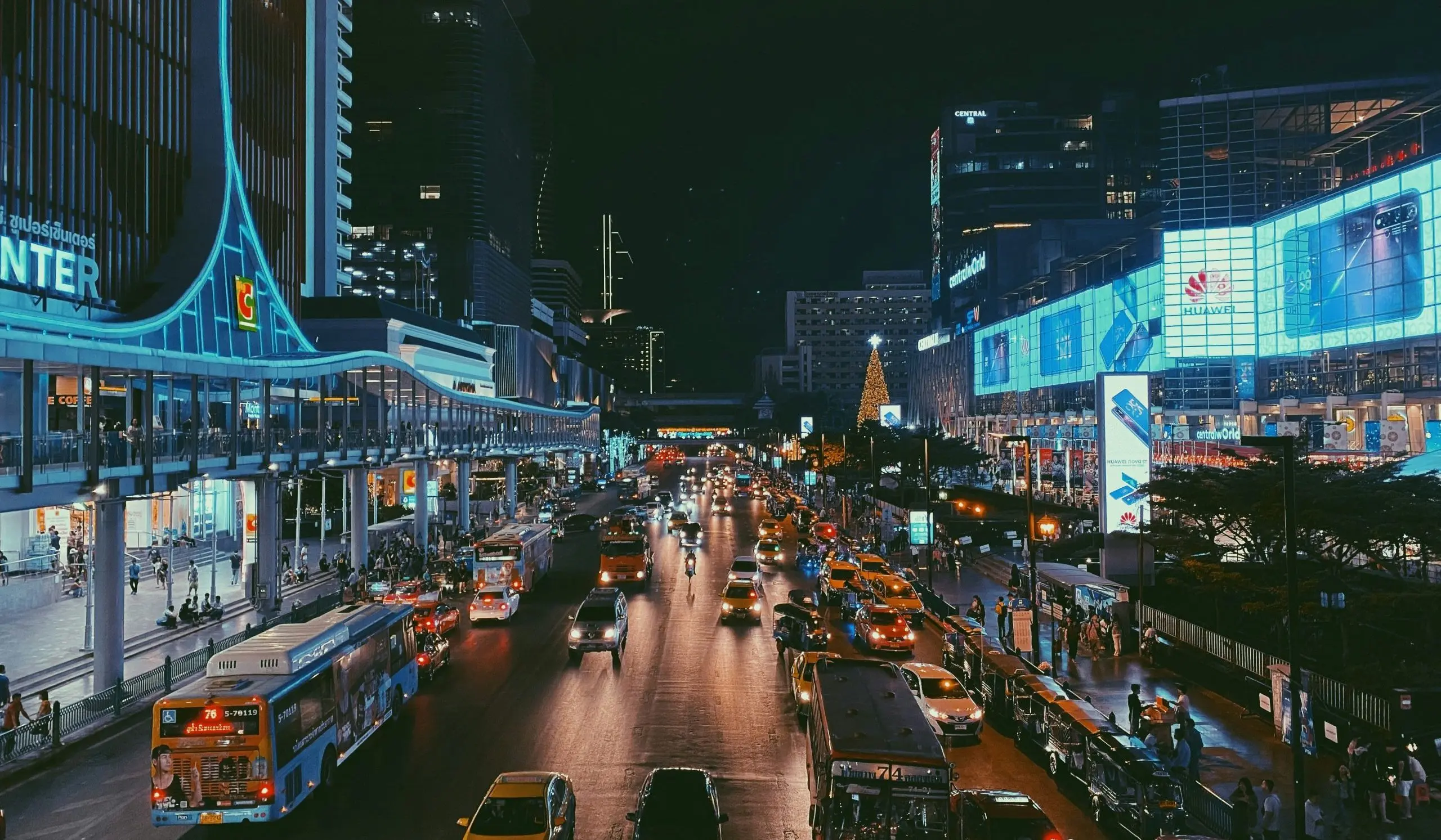
The first four moves
Start with exposure reduction. These actions matter more than supplements, beauty treatments, or “detox” claims.
Look at the current PM2.5 or air-quality category before planning exercise, sightseeing, or long journeys outdoors.
Bangkok PM2.5 information ↗When particle pollution is high, shorten outdoor time, choose lighter activity, and move exercise indoors where the air is cleaner.
If you must be outside, a well-fitting particulate respirator such as an N95 offers more reliable particle protection than a loose cloth or surgical mask.
Close windows during poor outdoor air, reduce indoor smoke and burning, and use a correctly sized HEPA air cleaner where available.
PM2.5, simply explained
2.5µm or less
Fine particulate matter is a mixture of very small solid and liquid particles suspended in air. Particle pollution can irritate the eyes, nose, throat, and lungs, and can worsen existing heart or respiratory conditions.
Why it deserves attention
Bangkok’s air quality changes by location, weather, season, traffic, and other sources. People with asthma, chronic lung or heart disease, older adults, children, and pregnant people may need to be especially careful and follow advice from their clinician.
Skin can also feel dry, sensitive, or irritated during city exposure, but symptoms are not specific to pollution. Heat, humidity, sun, sweat, friction, and products may contribute too.
Breathing protection
There is no single product that makes polluted air harmless. Layer practical controls according to the day’s conditions and your health.
Use a local forecast, reduce strenuous activity when pollution is elevated, and change route or timing when a cleaner option is available.
Choose a certified particulate respirator and follow its instructions. Facial hair, gaps, or a loose nose bridge can reduce protection.
Use an appropriately sized portable HEPA cleaner, keep doors and windows closed during poor outdoor air, and replace filters as directed.
Avoid smoking, vaping, candles, incense, and other burning indoors. Cooking and some cleaning activities can also raise indoor particle levels.
Respirators can make breathing feel harder for some people. If you have a heart or lung condition, ask your clinician which option is suitable for you.
Skin-barrier routine
Do not attack already-irritated skin with aggressive scrubs, strong acids, or multiple new products at once.
Persistent skin concerns?
Redness, acne, itch, or rash can have many causes. A qualified clinician can help identify appropriate care rather than attributing every symptom to pollution.
Know when to act
Do not use an IV drip or wellness treatment to delay appropriate medical care.
Mild eye, nose, or throat irritation may improve after reducing exposure and moving to cleaner air.
If symptoms settleContinue to limit exposure and follow public-health advice.Seek medical advice for persistent cough, wheeze, shortness of breath, worsening asthma, or a continuing skin reaction.
Extra cautionFollow your personal care plan if you have an existing heart or lung condition.Severe difficulty breathing, chest pain, confusion, fainting, or blue lips or face require urgent medical assessment.
In ThailandCall emergency medical services at 1669.A better wellness promise
IV therapy may be medically appropriate for a specific indication after clinical assessment, but it should not be described as removing PM2.5, protecting lung function, preventing pollution illness, or replacing evidence-based exposure reduction.
If you are considering an IV treatment, tell the clinician about your symptoms, medical conditions, medications, allergies, pregnancy status, and the reason you are seeking care.
Read about IV drip consultationsQuick answers
Practical answers for residents and visitors.
PM2.5 is fine particulate matter with an aerodynamic diameter of 2.5 micrometres or less. These particles can be inhaled deep into the lungs.
A loose surgical or cloth mask is not designed to seal to the face like a particulate respirator. For particle pollution, use a certified, well-fitting respirator such as an N95 when recommended and suitable for you.
Reduce the duration and intensity of outdoor activity when particle pollution is elevated. Moving the activity indoors to cleaner air reduces the amount you breathe in.
A correctly sized HEPA air cleaner can reduce indoor particles, but no air cleaner removes every pollutant. Source control, cleaner-air ventilation when conditions allow, and correct maintenance still matter.
There is no established evidence that a wellness IV removes inhaled PM2.5 or treats pollution exposure. Medical care should be based on symptoms, examination, and an appropriate clinical indication.
Contact a clinician for persistent cough, wheeze, breathlessness, worsening asthma, or ongoing skin symptoms. Severe breathing difficulty, chest pain, fainting, confusion, or blue lips or face require urgent care.
Public-health references
This educational guide does not diagnose or treat illness. It should be clinically reviewed and dated before publication.
FTV Clinic · Central Bangkok
Speak with our team about an appropriate consultation. For urgent symptoms, use emergency services rather than a clinic booking channel.
Central Bangkok, near BTS Chidlom
Open in Google Maps ↗