Dermapen microneedling
A pen-shaped device creates controlled micro-punctures. Your clinician adjusts the approach according to the treatment area, skin condition and device instructions.
A consultation-led treatment pathway for skin texture, hydration and overall skin quality. Your clinician reviews your concerns, medical history and recovery preferences before deciding whether microneedling, a PDRN-based protocol or another option is appropriate.
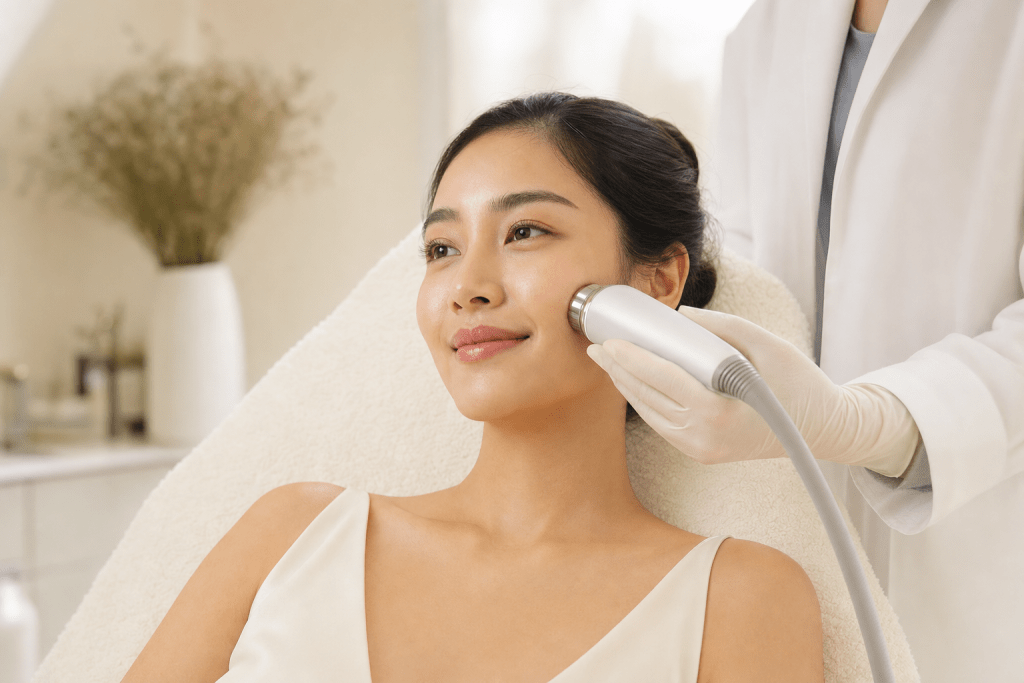
“Skin Repair” can involve more than one technique. The exact device, product, depth, treatment area and number of sessions should be selected only after clinical assessment. A combination is not automatically suitable for every person.
A pen-shaped device creates controlled micro-punctures. Your clinician adjusts the approach according to the treatment area, skin condition and device instructions.
PDRN refers to polydeoxyribonucleotide derived from salmon DNA. The clinic must confirm the exact formulation, intended use and delivery method for your individual plan.
Evidence for microneedling is established for selected aesthetic concerns, while evidence and regulatory status for specific PDRN products and combination protocols can vary. Your consultation should cover these distinctions clearly.
The safest approach separates what the microneedling device does from what a selected product may contribute, then considers the benefits, limitations and risks of each.
Microneedling mechanically creates small punctures in the skin. Treatment depth and speed require trained handling and should not be standardised across every face.
“Salmon PDRN” is a broad description, not a complete treatment specification. Brand, formulation, sterility, authorization and intended delivery route matter.
Temporary redness, tightness, sensitivity or peeling can occur. Aftercare and follow-up are part of the treatment, not an optional extra.
These are treatment goals, not guaranteed outcomes. Your clinician may recommend Skin Repair, modify the protocol or suggest a different treatment after examining your skin.
Rough or uneven-feeling skin and visible textural irregularity.
Selected atrophic facial acne scars after active acne and suitability are assessed.
Early visible lines where microneedling may be one of several options.
Hydration, softness and a healthier-looking overall complexion.
Uneven-looking tone or post-acne marks requiring careful diagnosis and sun protection.
Visible pores considered alongside oil production, scarring and skin texture.
Discuss concerns, previous procedures, allergies, medicines and current skincare.
Review the proposed device, product, delivery method, alternatives, risks and expected recovery.
Skin preparation and technique follow the selected protocol, including a new needle cartridge when microneedling is performed.
Receive written guidance on cleansing, skincare, sun exposure, warning signs and follow-up.
Short-lived redness, tightness, dryness, sensitivity, peeling, discomfort, bruising or pinpoint bleeding can occur after microneedling. Less common risks include pigmentation changes, cold-sore reactivation, infection or scarring.
Improvement is not immediate or guaranteed. Some people require more than one procedure, response varies, and any visible improvement may be temporary. Your clinician should recommend timing only after reviewing how your skin responds.
Tell your clinician about active infection or rash, cold sores, eczema or psoriasis, pigment concerns, keloid tendency, immune conditions, uncontrolled diabetes, bleeding disorders, blood-thinning medicines, isotretinoin use, pregnancy or breastfeeding, and allergies to metals, anaesthetics or the proposed product.
A history item does not always mean treatment is impossible, but it may require postponement, modification, another option or medical clearance. Do not stop prescribed medicine for an aesthetic procedure unless the prescribing clinician tells you to do so.
A premium experience should also be a transparent one. Ask what will be used, why it is suitable and what support is available after you leave the clinic.
Know the microneedling device, treatment area, intended use and why the selected settings are appropriate.
A new single-use needle cartridge should be used for each patient and each treatment session.
Ask for the exact PDRN product, formulation, source, authorization, intended delivery method and allergy information.
Leave with clear aftercare instructions and a clinic contact for questions or unexpected symptoms.
Share your concerns, previous treatments and preferred recovery time. The team can help arrange an English-speaking consultation before any procedure is selected.
540 Ploenchit Road, 4th Floor, Room 406
Lumpini, Pathumwan, Bangkok 10330
Open daily · 10:00 AM–8:00 PM
Open in Google Maps ↗