IPL and Pico are not interchangeable names for the same treatment.
Skin consultation · BTS Chidlom, Bangkok
Observe. Select. Refine.
Laser, IPL & Pico Treatments in Bangkok
Two distinct light-based pathways for concerns such as visible pigment, redness and uneven-looking tone. Your consultation considers your skin tone, concern, recent sun exposure and treatment history before IPL, Pico laser or another approach is recommended.
- Assessment first
- Skin-tone aware
- English-speaking team
- BTS Chidlom access
The difference, clearly explained
Similar goals. Different technologies.
IPL is not a laser: it uses filtered, broad-spectrum pulses of light. Pico laser uses extremely short laser pulses at a selected wavelength. The appropriate technology and settings depend on the target, device, skin tone and your individual response risk.
Wavelength, filter, fluence and technique must match the person and concern.
Response is reviewed before timing or repeating another session.
A considered treatment pathway
Four stages before the next pulse.
The exact protocol, provider and device should be confirmed by FTV Clinic after an in-person assessment.
Assess
Review the concern, skin tone, medications, sensitivities, recent procedures and history of pigmentation changes.
Select
Decide whether IPL, Pico laser, another modality or postponement is the more appropriate direction.
Protect
Prepare the treatment area and use the eye protection and safety measures required for the selected device.
Review
Follow personalised aftercare and review the skin response before planning any further treatment.
Begin with the concern
Skin priorities that deserve different thinking.
These concerns may prompt a consultation, but they do not confirm that a specific device is suitable or that the visible issue has a single cause.
Brown spots & sun-related pigment
Visible freckles or discrete areas of pigment require identification and skin-tone-aware planning.
Redness & visible vessels
IPL may be discussed for selected vascular-looking concerns after the cause and suitability are reviewed.
Post-acne marks
Red marks, brown marks and true scarring are different concerns and may need different treatment plans.
Uneven-looking tone & texture
A consultation can separate a surface-quality goal from pigment or vascular treatment needs.
Choosing the pathway
Match the technology to the skin—not the trend.
Device names alone do not describe the full treatment. Ask the team to confirm the current device, wavelength or filter, intended target, provider and expected recovery for your plan.
Ask which option may suit youIPL
Broad-spectrum light discussed for selected pigment, redness and overall tone concerns.
Pico Laser
Ultra-short laser pulses discussed for selected pigment and texture-focused plans.
Skin Tone
Melanin level and previous pigment response affect device and parameter selection.
Melasma
A complex, recurrent condition requiring careful diagnosis, counselling and a broader plan.
Two technologies
Understand the experience before you choose.
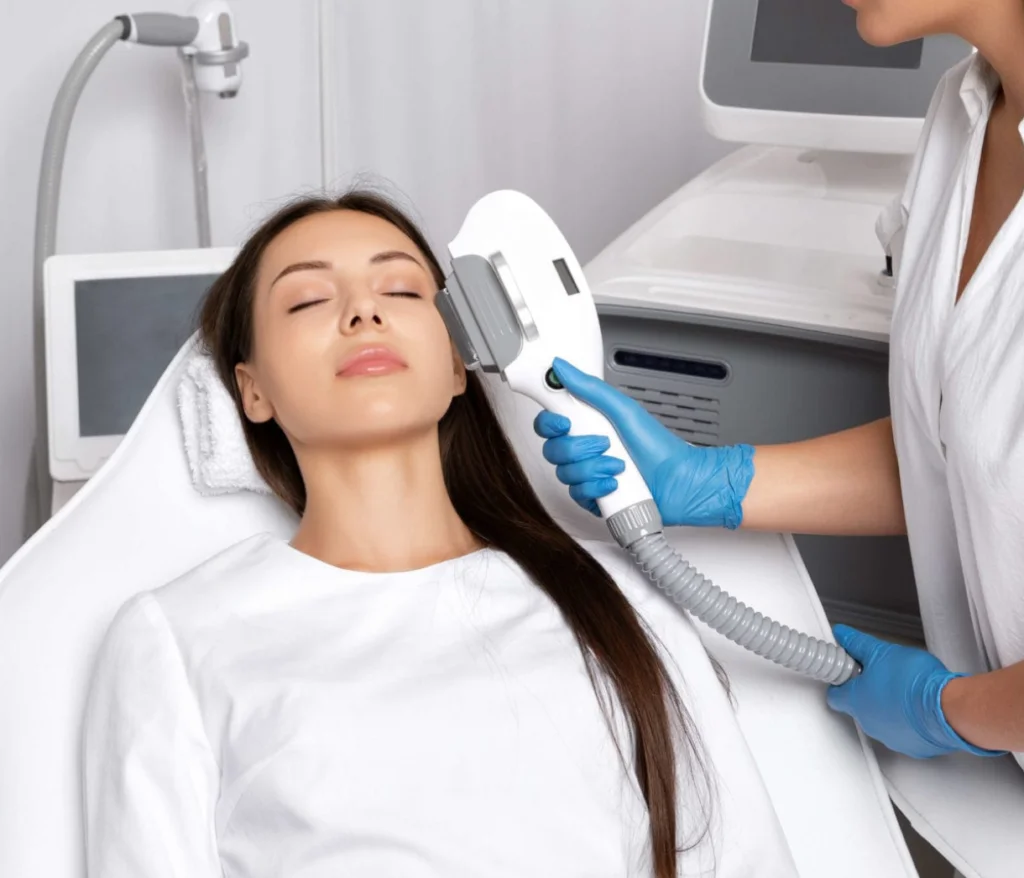
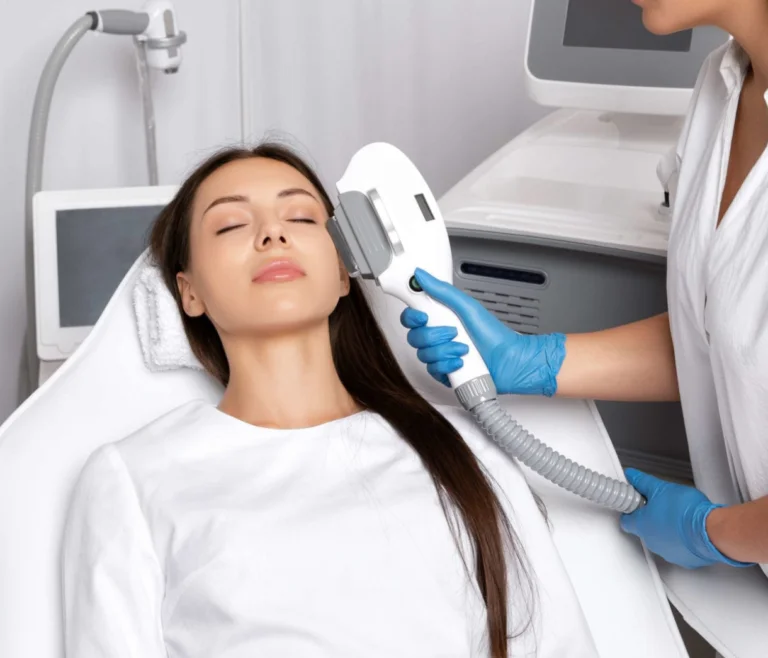
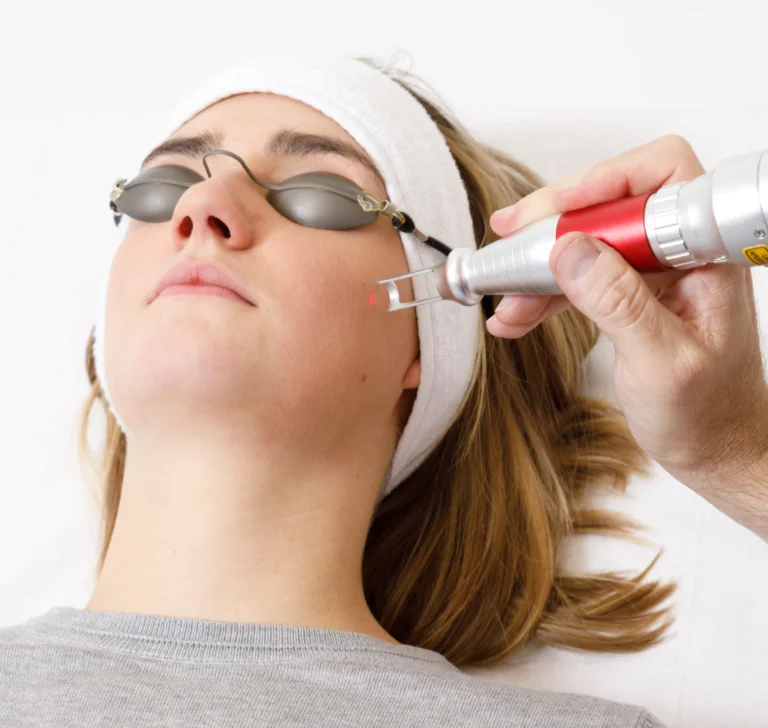
The photographs illustrate the two treatment categories currently presented by FTV Clinic. The exact device and handpiece used for your appointment should be confirmed directly with the team.
Before your appointment
Safe planning begins with full disclosure.
Tell the team about pregnancy or breastfeeding, active infection, open skin, cold sores, recent tanning or sunburn, photosensitivity, keloid history, prescription medicines, isotretinoin, strong skincare and recent procedures. Your provider can then decide whether to proceed, adjust or postpone.
Before you book
Laser, IPL & Pico questions, thoughtfully answered.
What is the difference between IPL and Pico laser?
IPL delivers filtered, broad-spectrum pulses of light, while Pico uses laser energy in extremely short pulses at a selected wavelength. They have different targets, parameters, suitability considerations and recovery profiles.
Which option is better for pigmentation?
There is no universal “better” option. The type and depth of pigment, your skin tone, recent sun exposure, previous response and the device available all matter. Some marks also require diagnosis before cosmetic treatment.
Can Pico laser or IPL treat melasma?
Melasma is complex and recurrent. Light or laser treatment may be considered within selected plans, but response varies and pigment can recur or worsen. An assessment and careful counselling are important before deciding.
How many sessions will I need?
A fixed number cannot be predicted from the treatment name alone. It depends on the concern, device, parameters, skin response and your goals. The clinic should review progress before recommending another session.
What downtime should I expect?
Recovery varies. Temporary redness, warmth, swelling, sensitivity or darkening of treated pigment may occur; stronger settings or different treatment types can require more recovery. Ask for expectations specific to your plan.
How should I prepare for a consultation?
Avoid arriving with a fresh tan or sunburn. Bring details of medicines, supplements, active skincare, previous energy treatments, pigment reactions and any upcoming events so timing and suitability can be discussed.
Your next step
Begin with a skin conversation.
Message our English-speaking team to describe your concern and arrange an assessment for Laser, IPL or Pico treatment in Bangkok.
Visit FTV Clinic
Mercury VilleChidlom 540 Ploenchit Road, 4th Floor, Room 406 Lumpini, Pathumwan, Bangkok 10330 Open daily · 10:00 AM–8:00 PM Open in Google Maps ↗
General information only. Diagnosis, device choice, wavelength or filter, settings, provider, treatment interval, expected response and aftercare require individual confirmation.