Skin Review
Assess lesion type, severity, sensitivity, marks and scarring risk.
A consultation-led approach for recurring breakouts, clogged pores, inflamed lesions and post-acne marks. Your clinician will consider acne type and severity, skin sensitivity, health history, medication and current skincare before discussing suitable options.
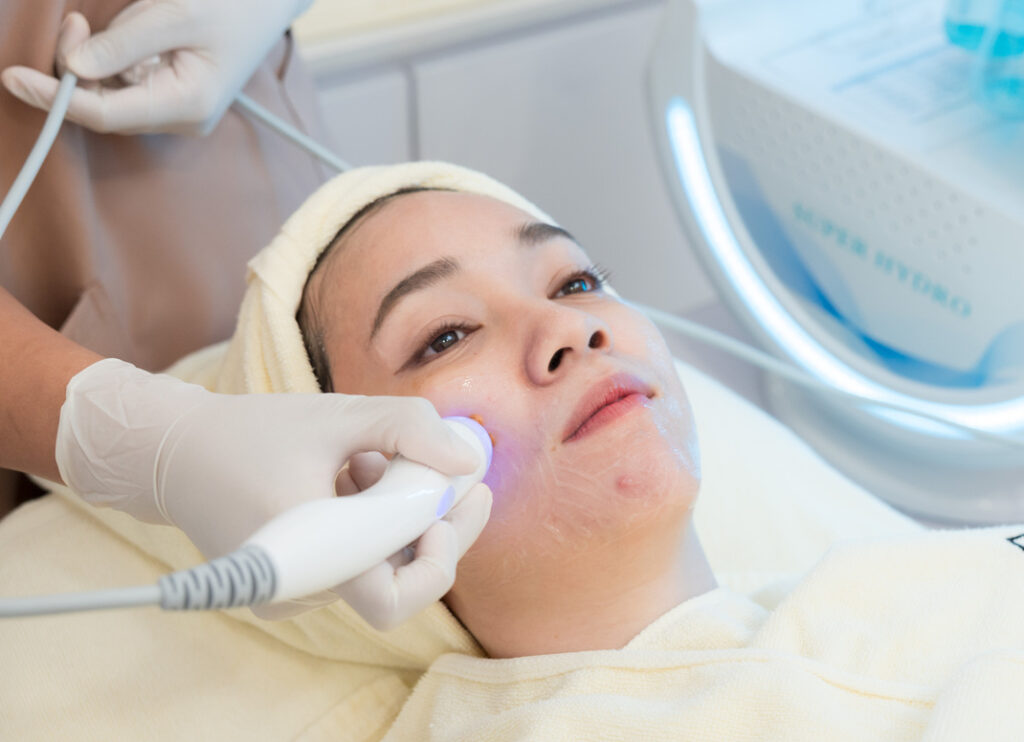
Acne has several forms and contributing factors, so not every breakout needs the same treatment. A good plan considers what is active now, what may be triggering irritation, and whether prescription treatment or specialist referral is needed.
Assess lesion type, severity, sensitivity, marks and scarring risk.
Review medication, hormones, previous care and relevant symptoms.
Prioritise active acne before addressing residual marks or texture.
Blackheads and whiteheads may benefit from a review of skincare, comedogenic products and selected professional care.
Papules and pustules may need topical or prescription treatment as well as supportive in-clinic options.
Deep, painful or rapidly scarring acne should receive timely medical assessment and may require specialist care.
Flat red or brown marks differ from indented or raised scars, and the treatment approach is not the same.
Review acne type, severity, current routine, previous treatment and scarring risk.
Prioritise active inflammation and build a tolerable home-care foundation.
Select only the in-clinic or prescription options appropriate to the assessment.
Review response, adjust the plan and address marks or scars when timing is appropriate.
The consultation determines which options, if any, belong in your plan. Procedures are not a substitute for necessary medical or prescription treatment.
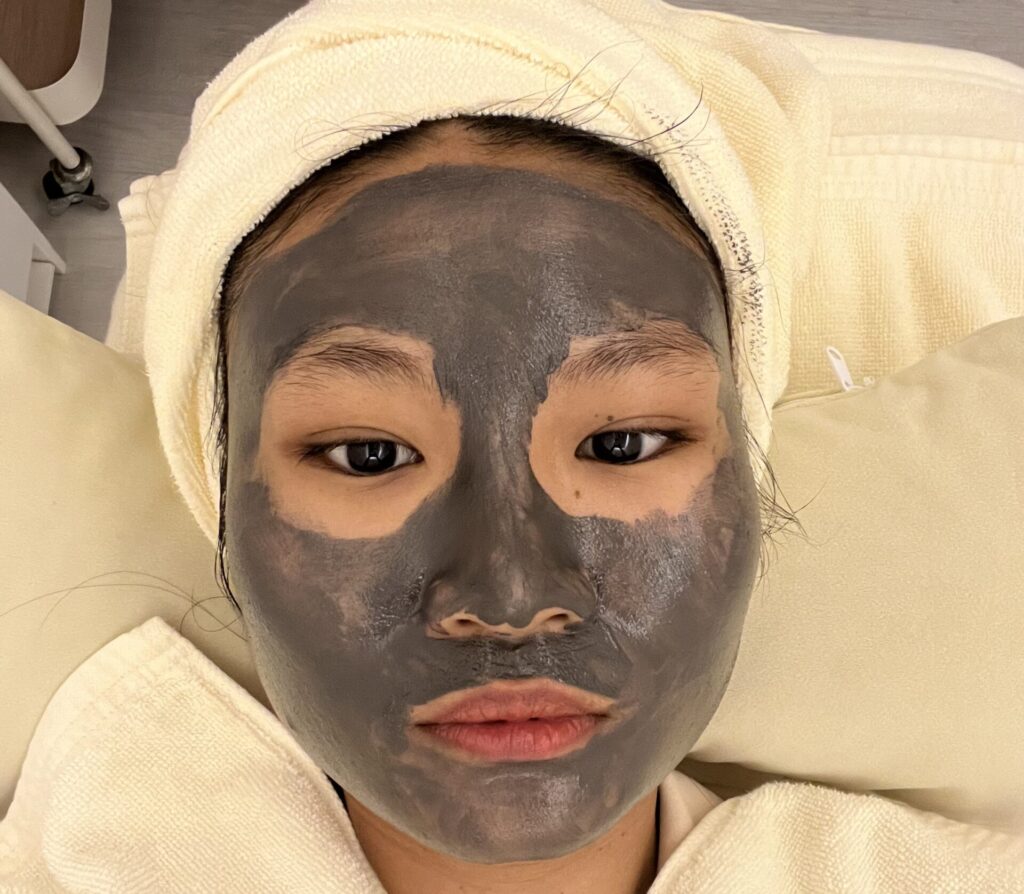
Selected cleansers, masks, moisturising support or acne-active ingredients may be used according to skin tolerance and existing medication.
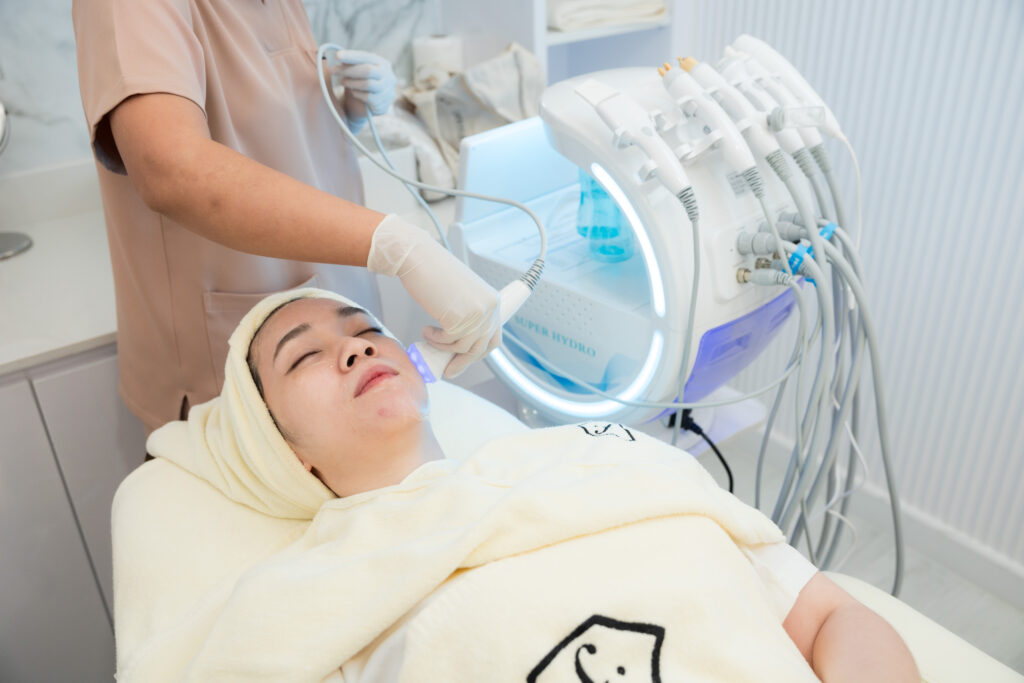
Gentle cleansing, hydration or topical-delivery devices may be considered when compatible with active acne, sensitivity and the wider treatment plan.
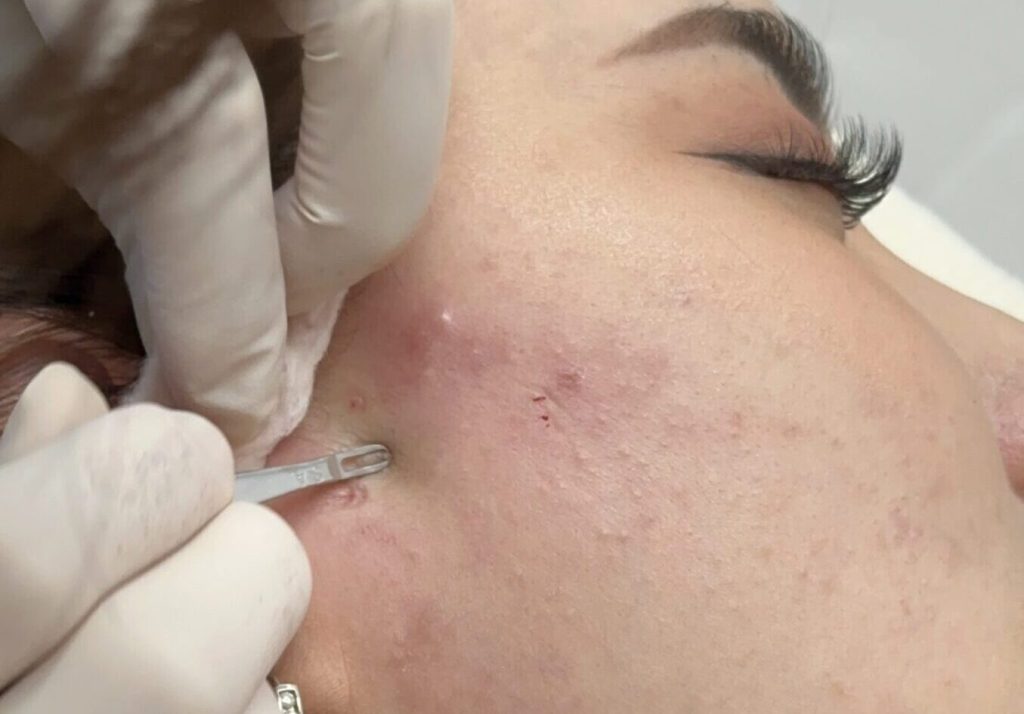
Selected blackheads or whiteheads may be extracted using hygienic technique. Inflamed lesions should not be routinely squeezed or picked.
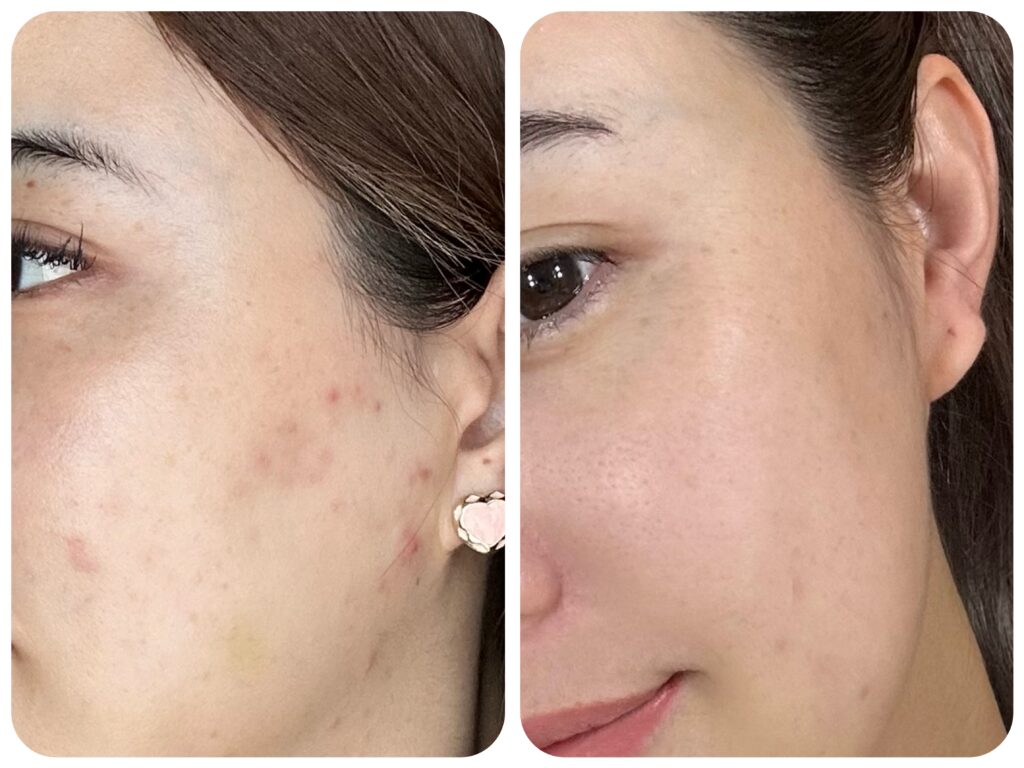
Flat red or brown marks can gradually fade, while true acne scars involve a change in skin texture. IPL, laser or other skin-repair options may be considered after active acne is better controlled, depending on skin tone, scar type and medical suitability.
No procedure can promise to remove every scar. Several approaches or sessions may be discussed, and temporary redness, swelling or pigment change can occur.
Explore laser and IPL informationAcne can be persistent or recurring. Response depends on acne type, hormones, medication, adherence, skin tolerance and other factors. Your plan and follow-up interval should be adjusted according to response rather than a fixed number of sessions.
Use a mild cleanser and avoid scrubbing, abrasive tools or frequent product changes.
Choose non-comedogenic moisturiser and sunscreen suited to your skin and treatment plan.
Squeezing inflamed acne can worsen inflammation, infection risk, marks and scarring.
Use salicylic acid, benzoyl peroxide, retinoids or other actives only as advised and tolerated.